Mahadev
There are 12 jyotirlinga in india.
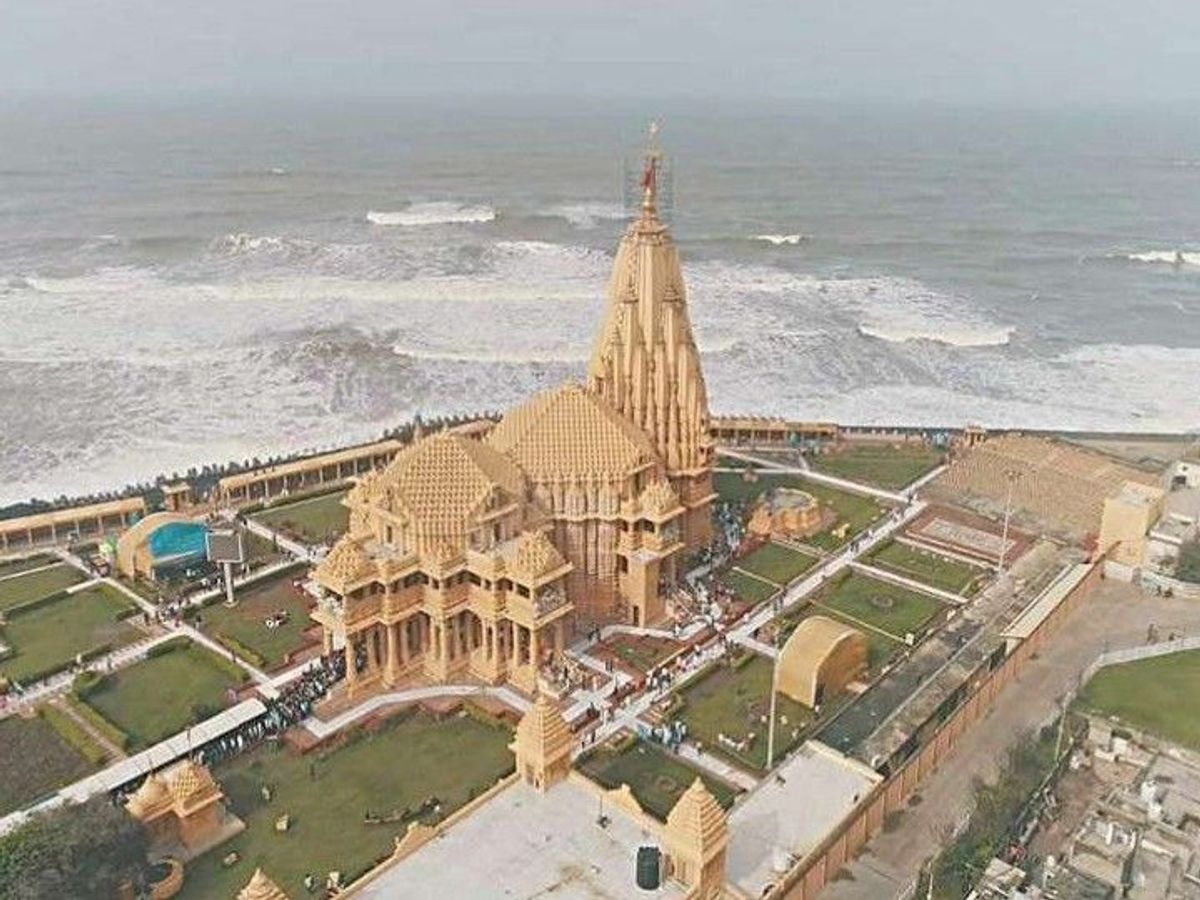
1) Somnath:-The intricately carved honey-coloured Somnath temple on the western edge of the state is believed to be the place where the first of the twelve holy jyotirlingas emerged in India – a spot where Shiva appeared as a fiery column of light.

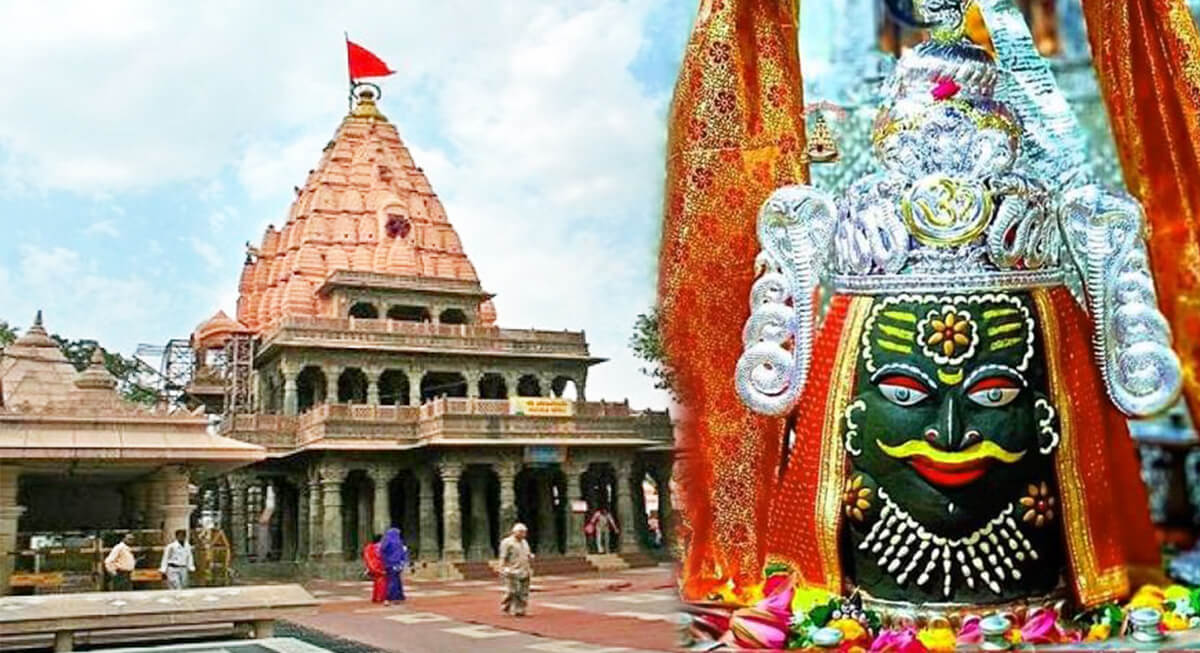
2) Mahakaleshwar:-The Mahakaleshwar Temple is one of the 12 Jyotirlingas in India and is dedicated to Lord Shiva. The lingam is believed to be swayambhu, meaning it is self-manifested.
4) Mallikarjun:-Mallikarjuna Swamy Temple also holds the distinction of being a Shaktipeeth. Perched atop the Nallamala Hills, it is dedicated to Goddess Bhramarambika.
5) Vaijnath:-The History of Parli Vaijnath Temple says that Rani Ahilyabhai renovated the Parli Vaijnath Temple in the 1700s. Two very popular legends are associated with this temple.
6) Kedarnath:- Kedarnath is one of the Chardhams and is situated at an altitude of 3586 mts, in the lap of the majestic mountain peaks and near the head of river Mandakini.
7) Nageshwar:-Nageshwar Temple is one of the oldest temples of Pune, Maharashtra. It is a general belief that there was once a reservoir near the temple.It is said that the water of this reservoir could cure leprosy.
8) Trimbakeshwar:-Shri Trimbakeshwar is a religious center having one of the twelve Jyotirlingas. The extraordinary feature of the Jyotirlinga located here is its three faces embodying Brahma, Vishnu, and Shiva. Due to the excessive use of water, the linga has started to erode.
9) Bhimashankar:-It is believed that the original temple of Bhimashankar was built in the 12th century CE. However, no evidence remains dating to that period has been found. The temple was renovated by Chimaji Antaji Bhide Naik in 1733 CE followed by some repair works by Dikshit Patwardhan in 1766 CE.
10) Rameshwar:-The story has it that after killing the demon King Ravana to save his wife, Lord Rama headed to Rameswar on his way back to Ayodhya. On the way, some saints advised Rama to worship Lord Shiva in order to compensate for the sin of killing a Shiva devotee (Ravana).
11) Grishneshwar:-The name “Grishneshwar” can be traced back to Hindu mythology. It is derived from two Sanskrit words: “Grishna,” which means “intense heat,” and “Ishwar,” which means “God.” Thus, Grishneshwar translates to “The Lord of Intense Heat.” This name is intrinsically linked to the legend associated with the temple's origins.
12) Kashivishwanath:-Located on the banks of the holy river Ganges, Varanasi is regarded as among the holiest of the Hindu cities. The Kashi Vishwanath Temple is widely recognised as one of the most important places of worship in the Hindu religion, because the it holds the jyotirlinga of Shiva Vishveshwara, or Vishvanath.


har har mahadev
ReplyDelete